AlfaVeta Reproduction of dogs and cats in Oxie
At AlfaVeta Veterinary Clinic in Oxie, we assist you with breeding and ensuring safe and healthy reproduction of dogs and cats
How can we help you today?
Reproduction
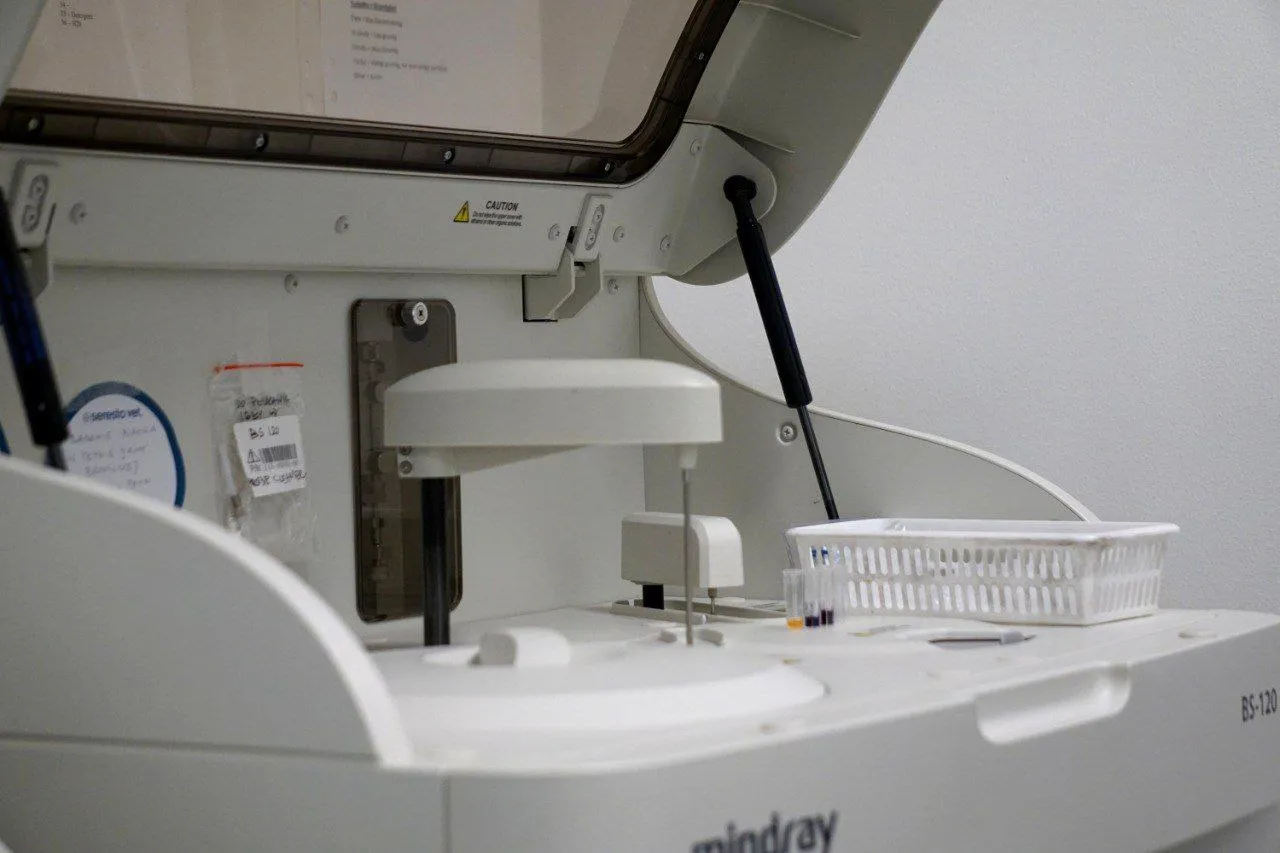
At AlfaVeta, we provide a comprehensive 24/7 on-call service for pregnant dogs and cats, offering expert reproductive care throughout the entire process, from planning to final check-ups. With extensive training and specialized courses in reproduction, veterinarian Piotr ensures safe and effective care at every stage.For those planning a pregnancy, we offer medical consultations to create the best possible conditions for a successful outcome. For canine breeding, we conduct cytological smears and reliable progesterone tests directly at the clinic using professional equipment, providing accurate results to determine the optimal breeding time. Utilizing advanced technology like CASA (Computer Assisted Sperm Analysis), we perform sperm quality analysis to ensure optimal standards. Additionally, we provide herpes vaccinations and artificial insemination (AI) for dogs. During pregnancy, we offer ultrasound examinations to confirm pregnancy, monitor fetal development through biometric measurements, estimate the number of fetuses, and calculate the expected delivery date with high accuracy (+/- 24 hours).
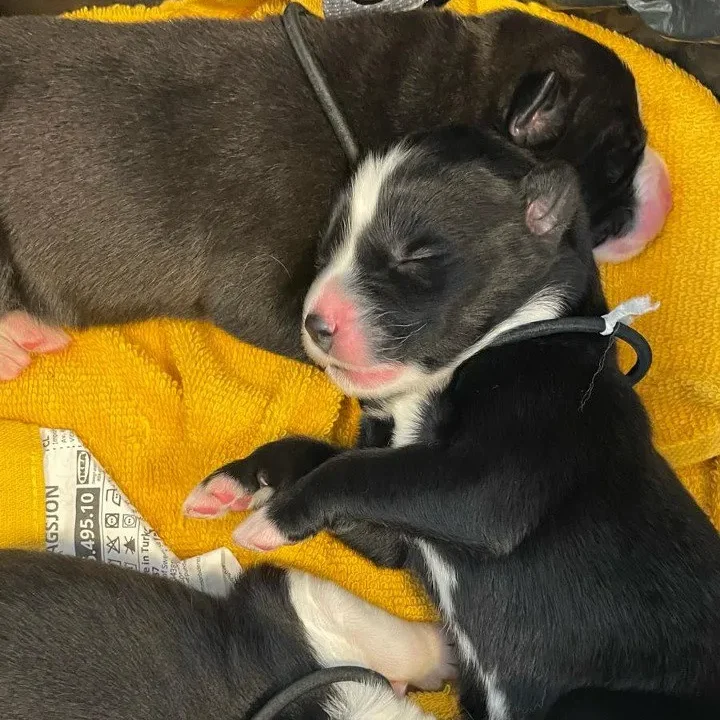
As the delivery approaches, we are available by phone to provide advice and support throughout the process. For pregnant dogs and cats that have undergone a pregnancy check with us, we offer 24/7 delivery assistance. If necessary, we also perform cesarean sections and provide postnatal care for both the mother and her offspring, ensuring that both the dam/queen and the puppies/kittens receive the care they need. After delivery, we offer inspections and health checks to monitor the well-being of both the mother and her litter.

Basic Principles of Reproduction for Dogs and Cats
Reproduction in dogs and cats is a process that requires a thorough understanding of both biological and behavioral aspects of breeding. It is crucial for breeders and pet owners to be aware of the responsibilities involved in breeding their animals, including ensuring the health of both the parents and the future offspring. The primary goal in pet reproduction is to ensure that animals used for breeding are in good health, both physically and behaviorally. Female dogs and cats should be in optimal health and free from infectious and genetic diseases that could be passed on to their offspring. It is also essential to provide them with a suitable diet and a good living environment to support a healthy pregnancy and delivery.
Preventive Measures in Reproduction for Dogs and Cats
Preventive measures in reproduction encompass a wide range of efforts aimed at preventing diseases and complications related to breeding. A key aspect of these measures is regular health checks for animals intended for breeding, including veterinary and diagnostic examinations. Before mating, dogs and cats should be tested for sexually transmitted diseases, such as feline herpesvirus and canine brucellosis. An important aspect of preventive measures also includes managing the animal population through careful planning of litters and sterilization of animals not intended for further breeding. Sterilization prevents uncontrolled reproduction, which is crucial for managing the issue of homeless animals. Additionally, these procedures can reduce the risk of certain cancers and reproductive disorders.
Breeders should also ensure that future mothers are socialized and prepared for delivery and motherhood. This includes gradually acclimating them to human contact and other animals, as well as creating a safe and comfortable environment for giving birth.

Insemination
Need help with inseminating your female dog? You’ve come to the right place! At our clinic, we specialize in artificial insemination (AI). We use Trans Cervical Insemination (TCI), which involves performing insemination directly into the uterus using an endoscope.
Veterinarians must have specific qualifications and specialized training to perform insemination. There are strict regulations that veterinarians must follow. Various reasons may make insemination a suitable option, such as long distances between the female and male or difficulties in natural mating. Insemination can also be a good solution for older males, those with back problems, or those who are weak. Additionally, insemination reduces the risk of disease transmission.
Sperm quality plays a crucial role in achieving successful fertilization, so we recommend performing a quality check on the sperm before insemination.
Progesterone och planning
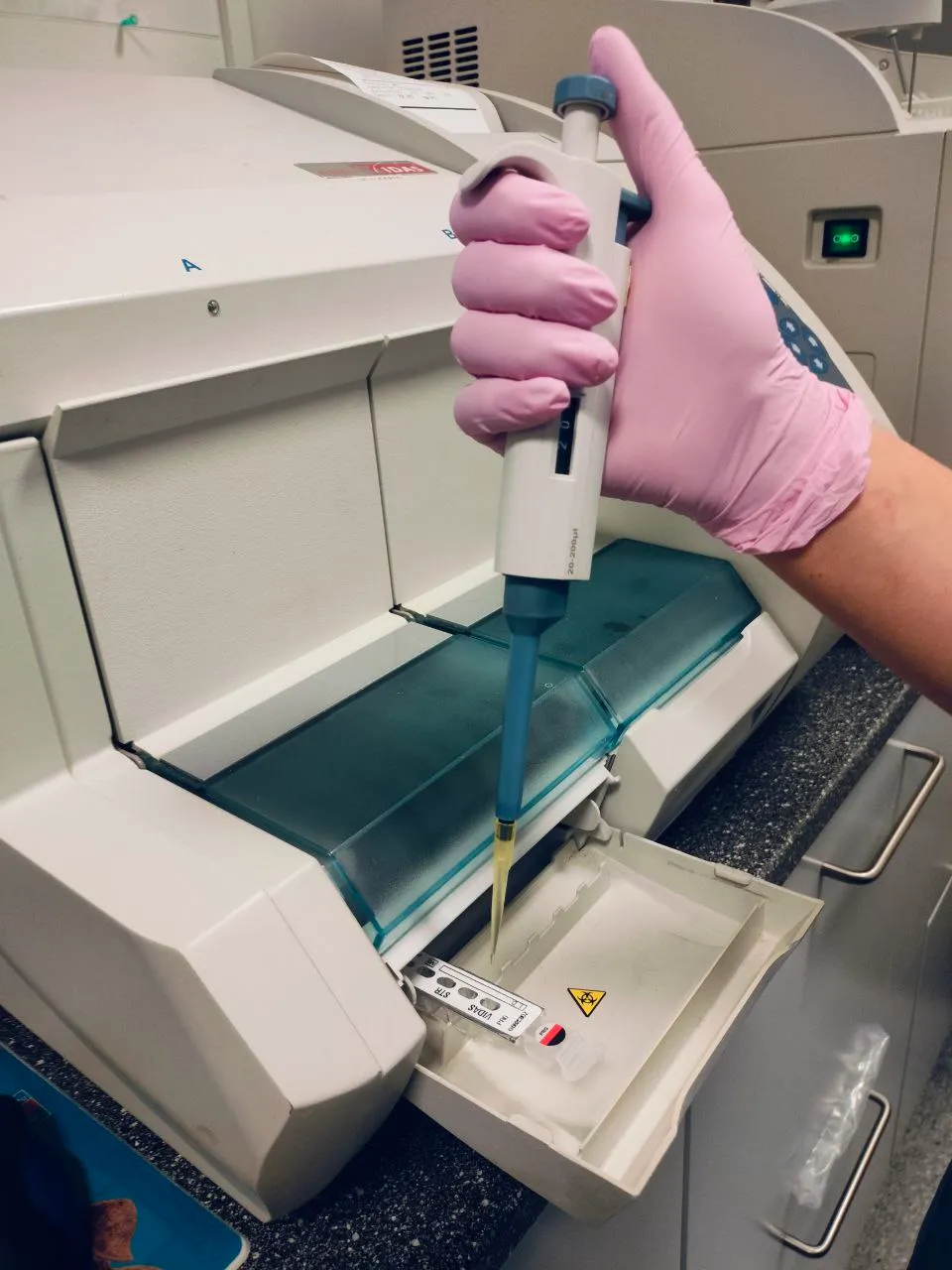
If you’re interested in inseminating your female dog, please contact us well in advance. Proper planning is necessary to achieve the best possible results. Before insemination, we need to perform several progesterone tests on the female to ensure the optimal timing for fertilization. At our clinic, we use a MiniVidas machine, which means we do not need to send samples to another laboratory and wait up to three days for results. Instead, we perform all tests on-site and receive results within two hours. Our system provides quantitative results, meaning very precise values reported in nanograms/ml. To determine when the LH surge occurs, progesterone tests should be done every other day. When progesterone levels are between 1.5-3.5 ng/ml on the MiniVidas scale, it should coincide with the peak LH. Typically, ovulation occurs between 48-72 hours after the LH surge. When inseminating with frozen sperm, it is essential to do so at the perfect time, i.e., on day 5 or 6 after the LH surge / 60 hours after ovulation.
How does breeding work?
There are various options for insemination. You can meet at our clinic with the male and inseminate the female with fresh sperm or import sperm to our clinic (frozen or chilled sperm). For insemination with fresh sperm, the veterinarian first collects the sperm from the male and checks its quality. The female remains awake during insemination, which is generally not considered an uncomfortable procedure.
Insemination with imported sperm requires a bit more time and effort. First, you must inform us that a sperm shipment will be arriving. The person importing the sperm must send our contact details to the clinic sending the sperm to us. It is safest to order frozen sperm well in advance of the insemination date. This allows you to relax and wait for the right time for fertilization. For chilled sperm import, you need to be well-prepared with previous progesterone tests, as chilled sperm lasts about 3 days. Shipments are not made the day before holidays or during weekends. It is the importer’s (customer’s) responsibility to check for any tests or regulations regarding imports from specific countries.
For the latest information, please refer to the Swedish Board of Agriculture.
Diagnostics in Reproduction for Dogs and Cats
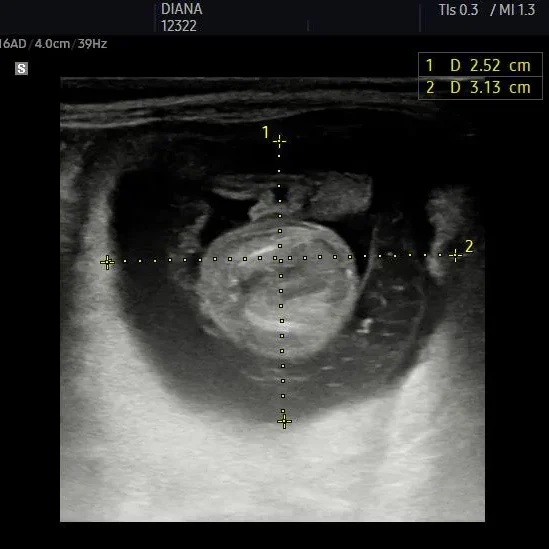
Diagnostics in reproduction for dogs and cats include various examinations aimed at assessing the animals’ reproductive capabilities and monitoring pregnancy. A fundamental diagnostic method is ultrasound examination, which confirms pregnancy, provides biometric measurements, assesses the condition of the fetuses, and determines the number of offspring. Another crucial diagnostic method is hormonal testing, which measures progesterone levels in females to precisely determine ovulation timing. These tests are particularly important in artificial insemination, where accurate timing of ovulation is critical for the success of the procedure.
If we suspect infectious diseases, we perform serological and microbiological tests to identify the pathogens causing reproductive issues.